I still remember the first time I pulled a tray of what I hoped would be crispy, golden chicken out of the oven. I had spent twenty minutes carefully coating each piece, dreaming of that satisfying crunch. But when I lifted a drumstick, the breading slid right off like a wet blanket, leaving me with pale, naked meat and a pan full of soggy crumbs. It was a disaster. I realized then that how to keep breading on oven fried chicken isn’t just about the recipe; it’s about the mechanics of cooking.
Since that failed dinner, I have treated my kitchen like a lab. I refused to let a simple coating defeat me. I tested drying methods, temperature shifts, and binder consistencies until I cracked the code. You don’t need a deep fryer to get that shattered-glass crispiness. You just need to understand a few simple rules of adhesion. If you follow these steps, you will serve dinner that looks like it came from a professional kitchen, not a takeout box.
Table of Contents
Preparing the Chicken for the Perfect Crust
The battle for a crispy coating starts long before you crack a single egg. Most home cooks rush straight to the dipping bowls, but this mistake guarantees failure. If you want to know how to keep breading on oven fried chicken, you must accept that moisture is your enemy. The coating needs a tacky surface to grip, and wet chicken creates a barrier of steam that pushes the breading away during baking.
The Importance of Surface Moisture
You must start with bone-dry poultry. Take your chicken pieces out of the package and use paper towels to pat them down aggressively. Do not just dab them; press the towels into the meat to absorb every drop of surface water. Some cooks even leave the chicken uncovered in the fridge for an hour to air-dry the skin further. This step creates a dehydrated surface that thirstily grabs onto your flour layer. If you skip this, the breading falls off chicken because the moisture creates a slip-and-slide effect the moment it hits the heat. I always check the crevices around the wings and legs, as water likes to hide there. A dry start leads to a secure finish.
Room Temperature Matters
Another secret involves the temperature of the meat itself. Putting ice-cold chicken directly into a hot oven causes the muscle fibers to contract rapidly. This sudden shrinking pulls the meat away from the coating, causing cracks and separation. You should let your chicken sit on the counter for about 20 to 30 minutes to take the chill off before you start breading. This simple patience pays off. It allows the meat to cook more evenly and keeps the surface stable, so your egg wash for breaded chicken and crumbs stay exactly where you put them. You can check out more tips on mastering main dishes in our The Oven Fried Mains category. Also, for those interested in the science of food texture, read about Nour Pullen’s approach to kitchen mechanics.
Mastering the Egg Wash for Breaded Chicken and Flour Coating
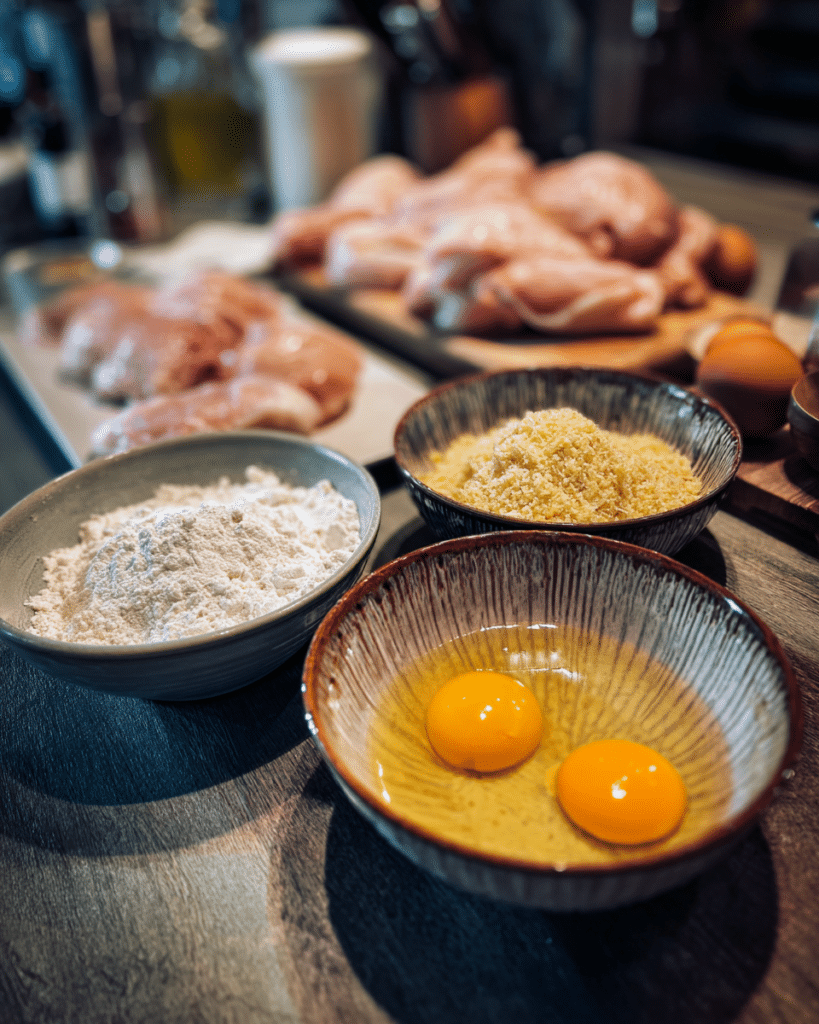
Creating a durable crust relies on a specific chemical sequence. You cannot just throw ingredients together and hope they stick. You need to build a bridge between the protein and the crispy outer layer. This bridge consists of a dry layer, a wet layer, and a final dry layer. If you mess up this order, the egg wash for breaded chicken will slide right off, taking your delicious crust with it.
The Flour Foundation
The first actual layer must always be flour. Many home cooks skip this and dip the meat directly into the egg, but that is a mistake. The dry flour clings to the protein fibers of the meat, creating a matte surface that the liquid can grab. You should season this flour generously with salt and spices. Shake off the excess rigorously; you want a fine dusting, not a thick cake. This thin layer acts like a primer on a wall. Without it, the egg wash has nothing to anchor itself to, much like trying to paint a glossy surface without sanding it first. If you enjoy the satisfying crunch of our Air Fryer Crisps, you understand that the base layer dictates the final texture.
The Binder Barrier
Once you have your flour dusting, the egg wash for breaded chicken comes into play. You need to whisk your eggs thoroughly until the whites and yolks merge completely. If you leave stringy bits of white, the breading will be uneven. Some cooks add a splash of buttermilk or hot sauce here, which adds flavor and acidity. Dip the floured chicken into the egg mixture, ensuring every spot gets wet, then let the excess drip off. This sticky layer is the glue. Immediately transfer the piece to your breadcrumbs or crushed mixture. You can even experiment with unique textures, similar to the hearty bite found in our Seed & Nut Crunch recipes, by adding crushed nuts to your final coating. Press the crumbs firmly into the meat to seal the deal.
Why Does Breading Fall Off Chicken in Oven? It’s All in the Rest
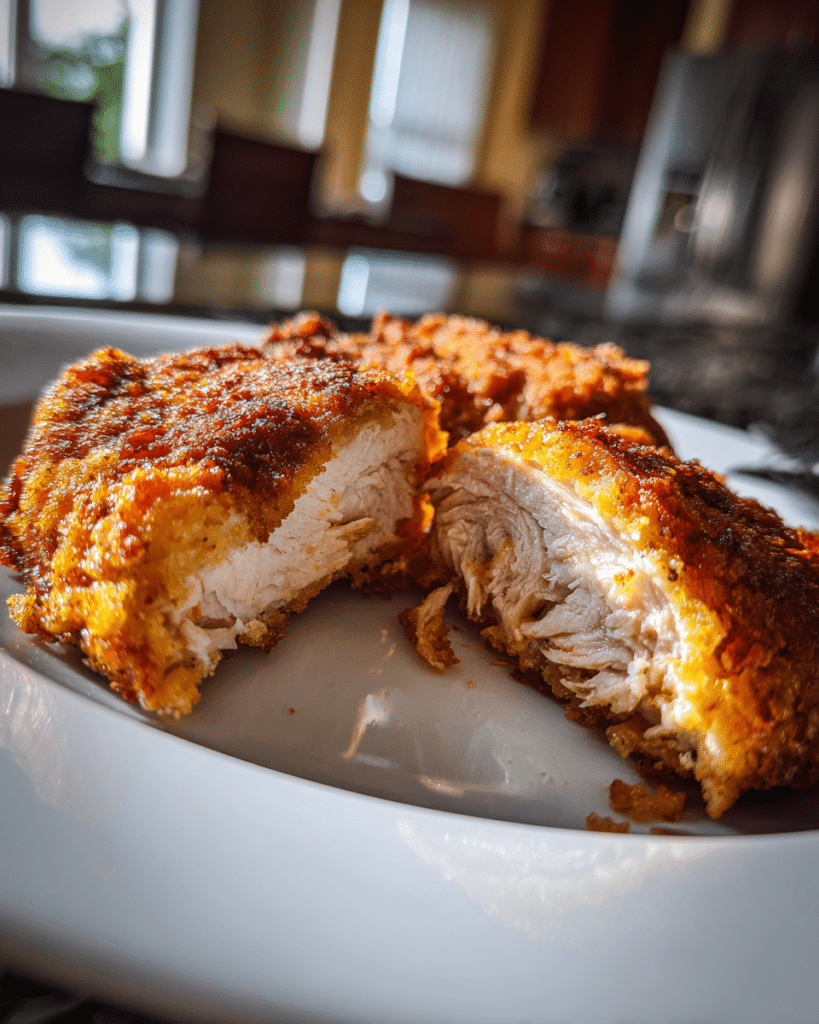
You have breaded your chicken perfectly, but the job is not done. A common question I hear is, “why does breading fall off chicken in oven?” The answer usually points to a lack of patience or an overcrowded pan. The physical bond between the flour, egg, and crumb needs time to set before it faces the intense heat of the oven.
The Critical Rest
After you coat all your pieces, you must let them sit. Place them on a wire rack and leave them alone for at least 15 minutes. During this time, the flour absorbs moisture from the egg wash and turns into a sticky paste that hardens as it dries. This process “cures” the breading to the meat. If you skip this step and throw them straight into the heat, the expanding steam from the chicken will blow the coating off before it has a chance to firm up. Think of it like drying glue; you shouldn’t touch it until it sets. This principle of moisture management is crucial, whether you are making dinner or preparing Dehydrated Snacks for the week.
Heat and Spacing
Your oven arrangement plays a massive role in the final result. If you crowd the chicken pieces until they touch, they will steam each other. Steam kills crispiness. You want hot air to circulate freely around every distinct piece. I recommend using a dark baking sheet preheated in the oven with a little oil or butter on it. When the cold chicken hits the hot pan, the bottom sears immediately, locking the crust in place. This technique prevents the soggy bottom that plagues so many oven-fried attempts. Emma Montoya often recommends using a high heat, around 400°F (200°C), to shock the exterior into crisping quickly while keeping the interior juicy.
Baking Tactics to Keep Breading on Oven Fried Chicken
You are in the home stretch now. The chicken is breaded, rested, and the oven is hot. However, the cooking phase holds the final challenge: the flip. Many perfectly coated pieces lose their crust because the cook interferes too much or uses the wrong tools. Mastering the actual baking process ensures that your breading falls off chicken significantly less often, keeping that crunch exactly where it belongs.
The Gentle Flip Technique
You must handle the chicken with extreme care once it is in the oven. Halfway through the cooking time, usually around the 20-minute mark, you need to turn the pieces to ensure even browning. Do not use tongs. Tongs pinch the meat and crack the fragile crust you worked so hard to build. Instead, use a wide, thin metal spatula. Slide it completely under the piece of chicken, lift it gently, and roll it over in one smooth motion. If you feel resistance, stop. This resistance means the bottom has not crisped enough to release from the pan naturally. Give it another five minutes. This patience prevents the coating from tearing away. If you love the hands-off approach of our Air Fryer Crisps, you will appreciate how heat circulation does most of the work here too.
Troubleshooting Soggy Spots
Sometimes, despite your best efforts, you might spot a patch that looks wet or pale. This usually happens where the chicken touches the pan or another piece of meat. To fix this, you can brush a tiny amount of melted butter or oil directly onto the pale spot and return it to the oven. The added fat conducts heat and encourages browning. Also, avoid covering the chicken with foil at any point. Foil traps steam, and steam destroys crunch. If you are serving this alongside other textured sides, like our Seed & Nut Crunch, you want the proteins to match that high standard of crispiness.
FAQ
Why does my breading fall off in the oven?
Breading usually falls off because the chicken was too wet before you started, or you didn’t let the breaded chicken rest before baking. Moisture creates steam which pushes the coating away from the meat.
Do I really need flour before the egg wash?
Yes, absolutely. The flour acts as a primer. The slippery texture of raw chicken makes it hard for egg wash to stick, but flour bonds with the protein and gives the egg something to grab onto.
Can I use parchment paper for oven-fried chicken?
While parchment paper prevents sticking, it can inhibit crisping slightly compared to a greased dark metal pan. If you must use it, place the chicken on a wire rack set over the parchment-lined sheet to allow airflow underneath.
How do I reheat leftovers without losing the crust?
Never use a microwave. Reheat the chicken in an oven or toaster oven at 350°F (175°C) for about 10-15 minutes. This method drives out moisture and re-crisps the coating.
Conclusion
Mastering how to keep breading on oven fried chicken transforms a frustrating dinner into a weeknight triumph. You simply need to dry the meat, layer your coatings correctly, and give them time to set. These small adjustments create a crust that shatters with every bite, just like you deserve. No more naked drumsticks or soggy bottoms—only golden perfection. If you need more visual inspiration or want to save this technique for later, come hang out with us on Pinterest. Now, preheat that oven and get ready to serve the best chicken you have ever made.
| Coating Type | Texture Result | Adhesion Level |
|---|---|---|
| Plain Flour Only | Soft, gummy | High |
| Breadcrumbs (No Flour) | Loose, patchy | Low |
| Flour + Egg + Panko | Super crispy, airy | Very High |
| Cornflake Crush | Hard crunch | Medium |