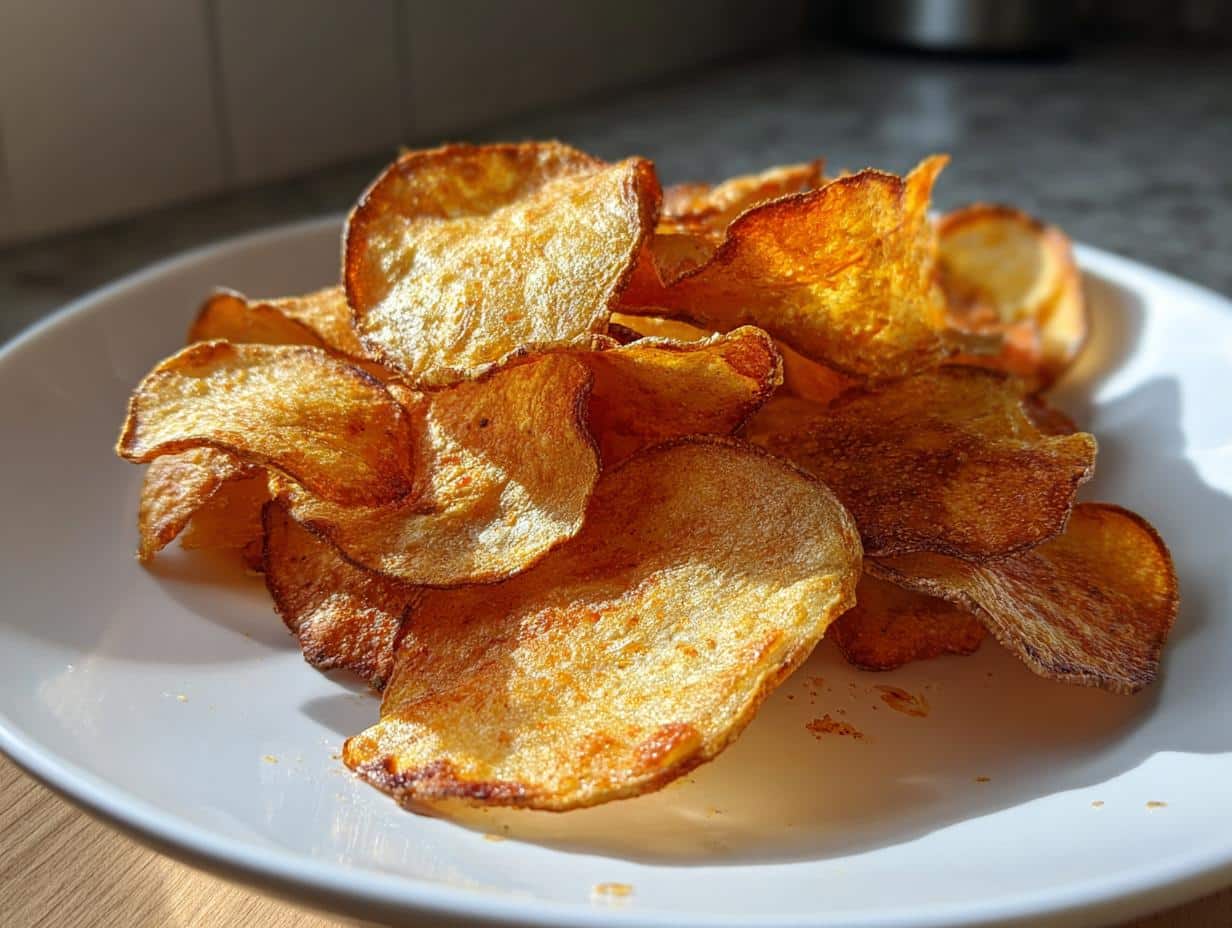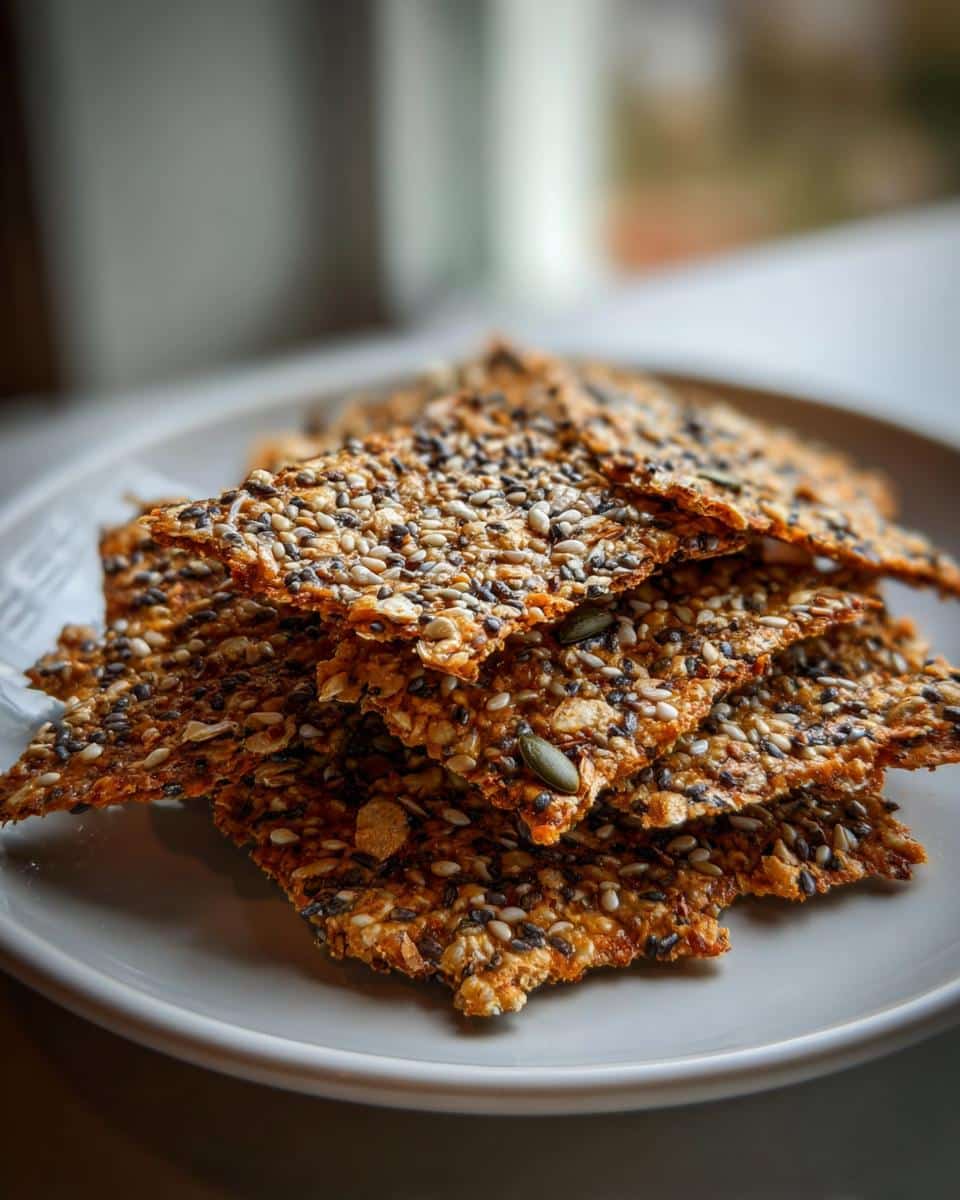
I still remember the first time I tried to make vegetable chips. I spent three hours slicing beets, convinced I was about to serve the most amazing healthy snack. I shoved the tray into the oven, cranked up the heat, and waited. Ten minutes later, I pulled out a tray of what looked like charcoal. I stared at those burnt black circles and nearly swore off cooking forever right then and there.
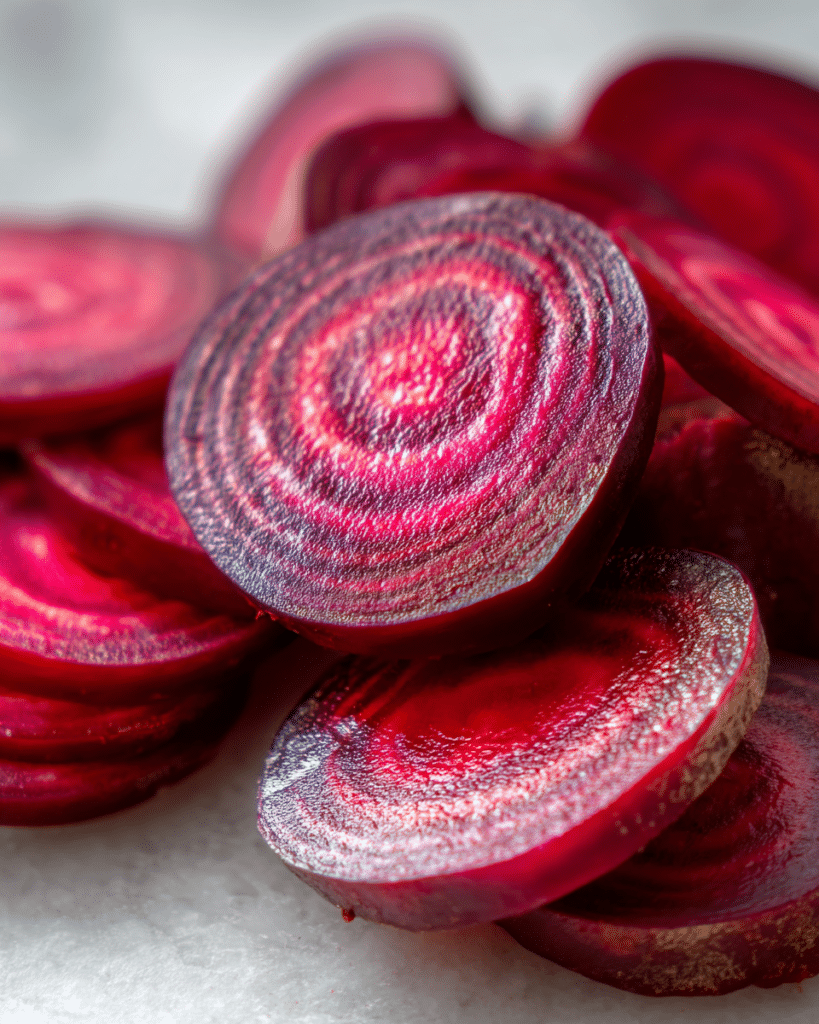
But that failure sparked a curiosity in me that hasn’t burned out since. I realized that making air fryer beet chips isn’t just about slicing a vegetable and heating it up; it’s about respecting the ingredient. Beets are deceptive. They look tough, but they are loaded with natural sugars that caramelize—and burn—in seconds if you treat them like a potato.
My journey to the perfect chip became an obsession with temperature control. I learned that if you want that magazine-cover crunch without the bitter char, you have to lower the heat. Now, I treat my kitchen less like a galley and more like a science lab, testing whether 300°F or 325°F yields the best snap. If you love air fryer beet chips but hate the inconsistency, you are in the right place. I want to save you from the disasters I lived through so you can skip straight to the perfect bite. Whether you are looking for a quick snack or a side for your air fryer crisps, this method works.
Table of Contents
Why Most Beet Chips Burn (The Science)
Most recipes fail because they treat all root vegetables the same. You cannot cook a beet chip the same way you cook a russet potato chip.
The Sweet Potato and Beet Connection
Beets and sweet potatoes share a common trait: high sugar content. When you expose high-sugar vegetables to temperatures above 350°F, the sugars burn before the moisture evaporates. This results in a chip that is black on the edges but still soggy in the middle. I have seen this happen countless times. You want the water to leave the vegetable gently, leaving behind a rigid structure. If you rush this process with high heat, you destroy the flavor profile. It is similar to how we approach our dehydrated snacks, where patience yields the best texture.
Why 300°F is the Magic Number
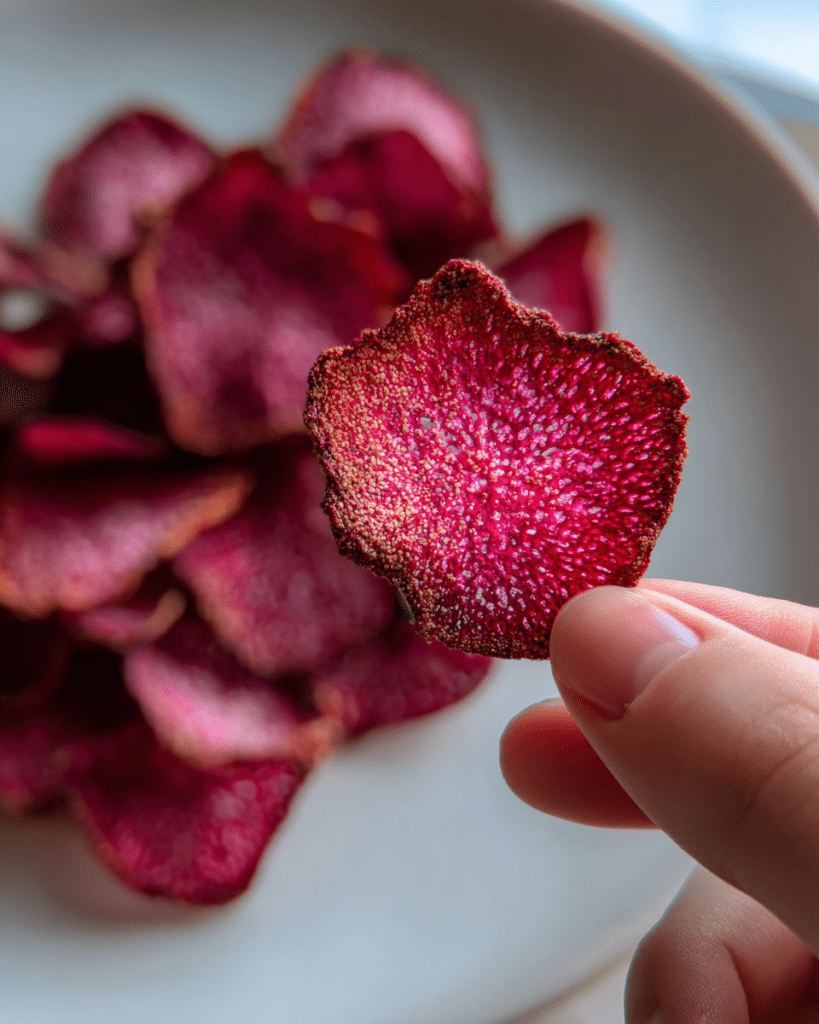
Through my midnight kitchen experiments, I found the sweet spot. Setting your air fryer to 300°F (approx 150°C) changes everything. This lower temperature acts almost like a fast dehydrator. It cooks the chip through without scorching the sugars. You might think a higher temperature equals a crispier chip, but for beets, high heat equals bitterness. By keeping the temperature moderate, you allow the chip to curl and crisp effectively. This creates that “snap” we all chase, preserving the earthy, sweet flavor of the beet without the acrid taste of burnt carbon.
Prepping for Success (The Slice)
Your preparation determines your result before you even touch the air fryer basket.
Mandoline vs. Knife Skills
Uniformity is your best friend here. If one slice is paper-thin and the next is thick, they will cook at different rates. The thin one will burn while the thick one stays soft. I highly recommend using a mandoline slicer set to 1/16th of an inch. It guarantees that every single chip finishes cooking at the exact same time. If you do not own a mandoline, use your sharpest knife and take your time. Aim for consistency over speed. Even slices ensure that the heat distributes equally, giving you a reliable crunch in every bite, much like the uniformity required for a perfect seed nut crunch.
The Importance of Drying
Moisture is the enemy of crispiness. Beets “bleed” liquid the moment you cut them. After you slice your rounds, lay them out on a paper towel and press another towel on top. Let them sit for at least 10 minutes. You want to pull out as much surface moisture as possible. If you skip this step, your air fryer wastes energy steaming the water off instead of crisping the vegetable. The drier the slice going in, the crispier the chip coming out.
The Air Frying Process (Step-by-Step)
Now that your prep is solid, the cooking process is about vigilance and airflow.
Layering and Airflow
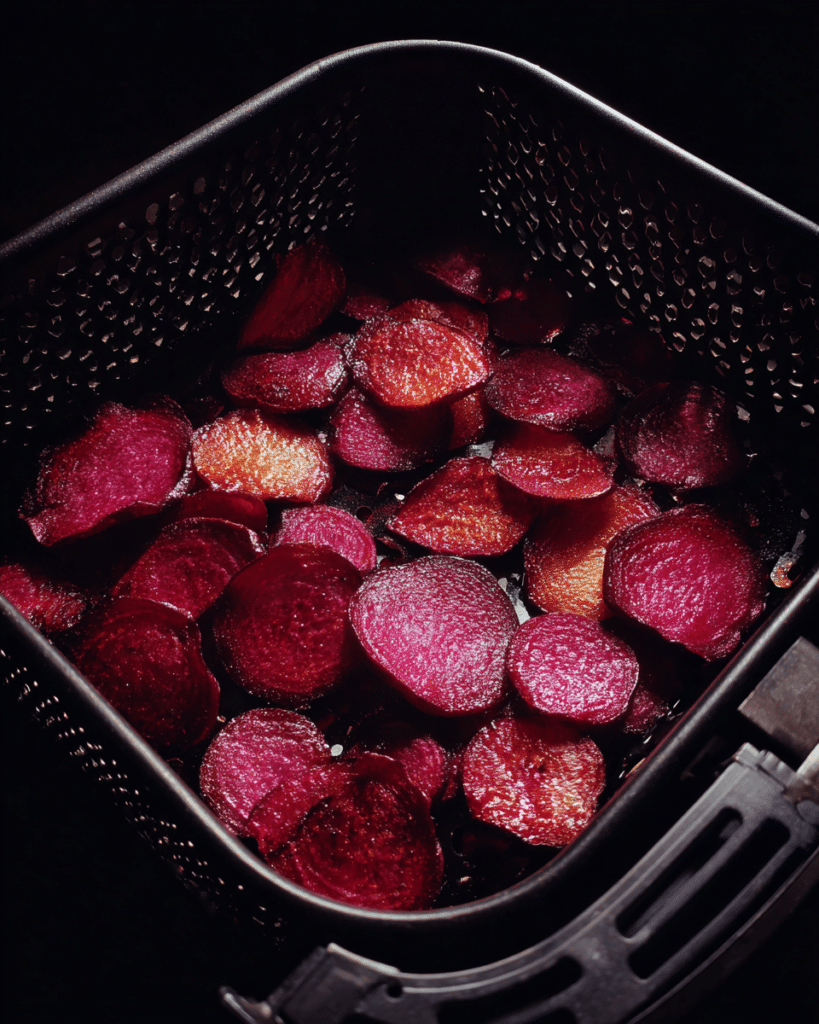
Air fryers work by circulating hot air. If you stack your beet slices like a deck of cards, the air cannot reach the surface of the chips in the middle. You must arrange them in a single layer. A tiny bit of overlap is acceptable because they shrink as they cook, but do not crowd the basket. If you have a small basket, cook in batches. It is better to have three perfect batches than one giant, soggy mess. This principle applies to many of our oven fried mains as well; overcrowding leads to steaming, not frying.
When to Flip and Shake
Cooking is an active process. You cannot just set the timer and walk away. Check your chips halfway through the cooking cycle. Give the basket a good shake to redistribute the slices. If you see any sticking together, gently pull them apart with tongs. This exposure ensures every part of the chip gets hit by the hot air. Watch them closely in the final two minutes. They turn from perfect to dark very quickly.
Seasoning and Storing
The right finish turns a plain vegetable into an addictive snack.
Best Seasoning Blends
Beets have a strong, earthy flavor that pairs well with bold seasonings. I prefer a simple mix of sea salt and cracked black pepper. If you want more punch, try rosemary or even a little vinegar powder for that classic salt-and-vinegar vibe. Apply your seasonings immediately after they come out of the fryer while they are still warm; the residual oil helps the spices stick.
Keeping Them Crisp
Air fryer chips have no preservatives, so they can lose their crunch if left out in humid air. Let them cool completely on a wire rack first. If you bag them while they are warm, the steam will make them soft. Once cool, store them in an airtight glass jar with a silica gel packet if you have one. They stay fresh for about three days, but honestly, they rarely last that long in my house. They are a fantastic addition to any air fryer crisps repertoire.
FAQ
Why are my air fryer beet chips soggy?
Sogginess usually comes from three things: slices that are too thick, overcrowding the basket, or not drying the beets enough before cooking. Ensure you pat them dry thoroughly and cook in single layers.
How do I stop my beet chips from burning?
The sugar in beets burns easily. Lower your air fryer temperature to 300°F (150°C). If you cook them at standard “fry” temperatures like 375°F or 400°F, they will char before they crisp.
Do I need to peel the beets?
No, peeling is optional. The skin is edible and gets crispy just like the rest of the beet. Just make sure to scrub them well to remove any dirt before slicing.
Can I use cooking spray instead of oil?
Yes, a light spritz of olive oil or avocado oil spray works well. You only need enough oil to lightly coat the surface so the seasoning sticks and the heat transfers evenly.
Conclusion
Mastering air fryer beet chips allows you to turn a humble root vegetable into a spectacular snack. By controlling the temperature and respecting the ingredient, you avoid the charcoal disasters I experienced early on. Remember, the kitchen is a lab—experiment, taste, and enjoy the crunch.
| Problem | Cause | Solution |
|---|---|---|
| Chips are burnt | Temperature too high (>350°F) | Reduce heat to 300°F (150°C). |
| Chips are soggy | Overcrowding or excess moisture | Cook in single layers; dry slices well. |
| Uneven cooking | Inconsistent slice thickness | Use a mandoline set to 1/16 inch. |
Follow us on Pinterest for more crispy inspiration