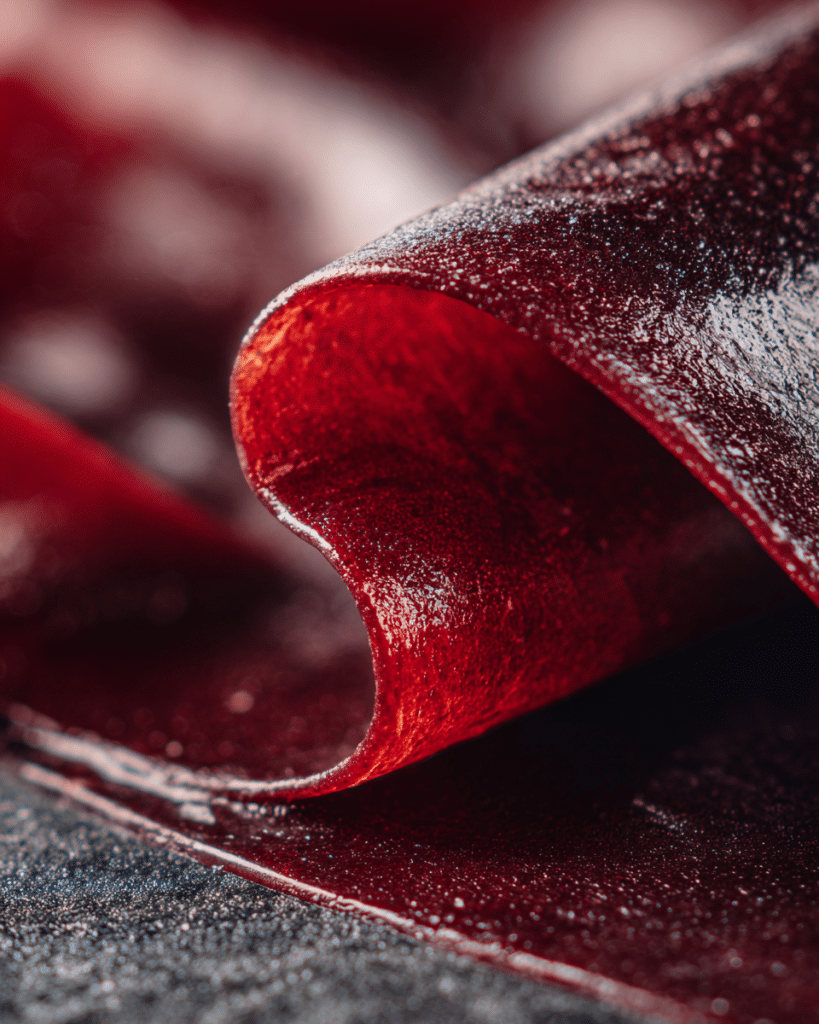
I remember the specific heartbreak of my first “perfect” batch of strawberry puree. I had blended the berries with just a hint of lemon, poured them lovingly onto the trays, and waited twelve agonizing hours for that chewy, sweet transformation. But when I went to peel it off, disaster struck. It wasn’t just fruit leather stuck to paper; it was fused. I spent the next hour picking tiny, confetti-sized shreds of wax paper off the sticky surface, eventually giving up and eating the paper along with the fruit.
It was a classic kitchen failure that drove me to the science books. Why did this happen? I realized I had used wax paper instead of parchment, thinking they were interchangeable. They are not. If you are staring at a tray of fruit leather stuck to paper right now, do not panic. I have been there, and I have found the way out. This guide isn’t just about troubleshooting; it is about understanding the mechanics of dehydration so you never have to throw away a batch of dehydrated snacks again.
Table of Contents
The Wax Paper Trap (Why It Failed)
The most common reason for fruit leather stuck to paper is the confusion between wax paper and parchment paper. They look similar, but chemically, they are worlds apart.
The Science of Adhesion
Fruit leather is essentially concentrated fruit sugar and pectin. As the water evaporates, these sugars become incredibly tacky, acting like a natural glue. Wax paper is coated with a thin layer of paraffin wax. In a cool environment, it works as a barrier. But inside a dehydrator or oven, even at low temperatures like 135°F (57°C), that wax softens. The sticky fruit sugars bond with the softening wax, creating a fusion that is nearly impossible to separate at room temperature.
Why Wax Melts and Sugars Bond
Unlike making air fryer crisps where high heat crisps the exterior quickly, dehydration is a slow process. This long exposure allows the fruit puree to soak into the fibers of unsuitable paper. If you used wax paper, the fruit didn’t just sit on top; it likely merged with the surface. Parchment paper, on the other hand, is treated with silicone, which is heat-resistant and chemically inert, providing a true non-stick surface that resists this sugar bond.
The Rescue Mission (Fixing the Mess)
If you are currently looking at a mess of stuck leather, put down the scraper. We need to use physics to separate the layers.
The Freezer Trick (Thermal Shock)
This is my go-to method for fruit leather stuck to paper. Take your trays and place them directly into the freezer for 15 to 20 minutes. The cold temperature causes the fruit leather to harden and contract. The wax or paper contracts at a different rate. Once it is frozen solid, take it out and immediately try to peel the paper away quickly. The sugar bond becomes brittle in the cold, often allowing the paper to “snap” off cleanly rather than tearing.
The Water Method
If the freezer trick fails and you are using paper (not foil), try the water method. Flip the leather over so the paper side is facing up. Take a damp warm towel or a pastry brush and moisten the back of the paper. Wait about 30 seconds. The water will soak into the paper fibers, softening them and releasing their grip on the fruit. Peel gently. You might need to pop the leather back into the dehydrator for 15 minutes afterward to dry off that surface moisture, much like re-crisping a seed nut crunch that has gone soft.
The Right Tools (Silicone & Parchment)
To avoid this disaster in the future, you need to upgrade your “lab” equipment.
Silicone Mats for Fruit Leather
For the serious dehydrator enthusiast, silicone mats for fruit leather are a non-negotiable investment. Brands like Silpat or specific dehydrator liners (like Paraflexx) are made of fiberglass mesh coated in food-grade silicone. Nothing sticks to them. I mean nothing. You can pour the stickiest fig puree onto these mats, and once dry, it will lift off like a dream. They are reusable thousands of times, making them eco-friendly and cost-effective in the long run.
When to Use Parchment
If you aren’t ready to buy silicone mats, high-quality parchment paper is the only disposable option you should consider. Look for “silicone-coated” parchment. It can withstand the heat and humidity without disintegrating. I often use parchment when I plan to roll the leather immediately for storage, as it saves me the step of transferring it later. It’s similar to lining trays for our sticky oven fried mains—the barrier matters.
Perfect Texture Every Time
Prevention is always better than a rescue mission. Here is how to prep your trays for success.
Oil: To Spray or Not to Spray?
If you must use a questionable surface (or even just to be safe with parchment), a very light coating of neutral oil helps. I rub a tiny dot of grapeseed or avocado oil onto the surface with a paper towel. You don’t want it greasy—just conditioned. However, be aware that oil can go rancid over time. If you plan to store your dehydrated snacks for months (like a doomsday prepper), skip the oil and rely on silicone mats.
Rolling and Storing for Freshness
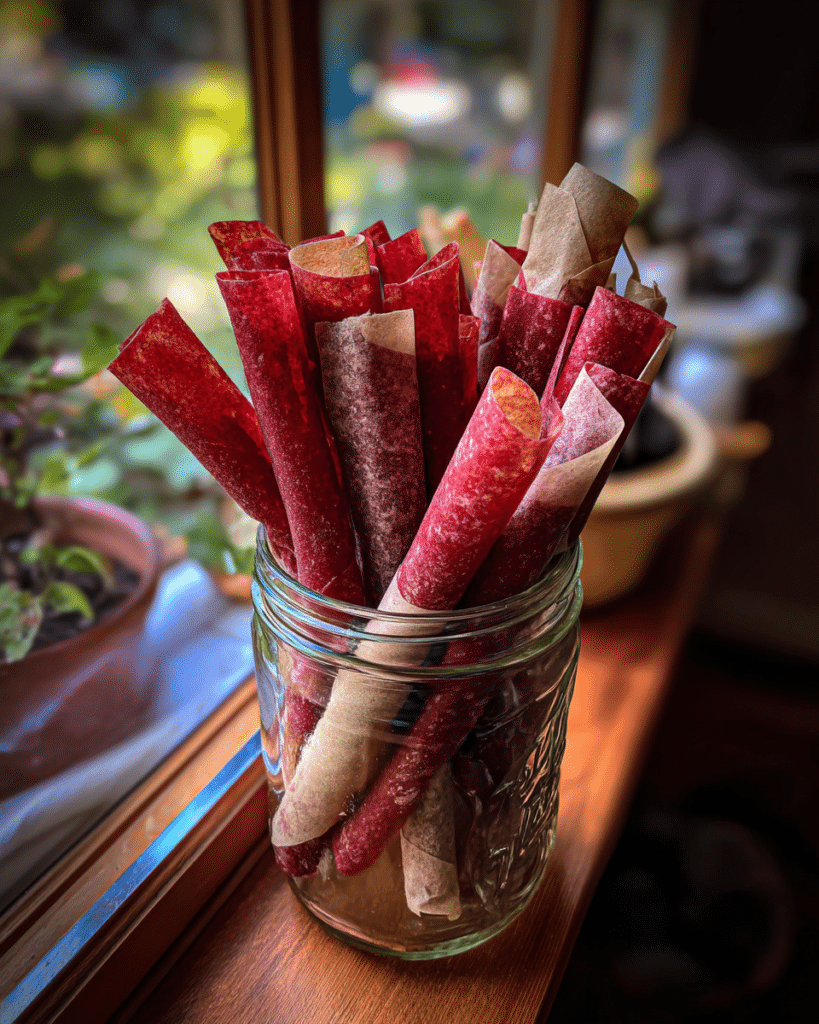
Once your leather peels off, the best way to store it is rolled. If you used silicone mats, transfer the finished leather onto a fresh sheet of parchment paper, then roll it up and cut it into wheels. This prevents the fruit from sticking to itself in the jar. Store in an airtight glass container in a cool, dark place. Moisture is the enemy here; if it’s humid, throw in a silica packet to keep that perfect chewiness intact.
FAQ
Can I eat the wax paper if it won’t come off?
While a tiny amount of food-grade paraffin wax isn’t toxic, it is certainly not digestible or pleasant. It’s better to lose a bit of fruit leather than to consume large amounts of paper and wax.
Why is my fruit leather brittle and cracking?
You likely over-dried it. Fruit leather should be tacky and pliable. If it snaps like a chip, you can try to rehydrate it slightly by placing a damp paper towel in the storage container for a few hours, or just crumble it over yogurt as “fruit dust.”
Can I use aluminum foil?
I do not recommend it. Fruit acids can react with the aluminum, giving your snack a metallic taste and pitting the foil. Plastic wrap (safe for microwave use) is actually a better alternative than foil for dehydrators, as long as you keep the temperature low (below 160°F).
Conclusion
Dehydrating is a science of patience and precision. Don’t let a sticky situation with wax paper discourage you. By switching to silicone mats for fruit leather or using the freezer trick to save a botched batch, you can ensure your kitchen remains a playground, not a place of frustration.
Follow us on Pinterest for more tips.