I still remember the first time I felt like a total kitchen failure. I had spent an entire Saturday slicing a bushel of Honeycrisp apples, carefully dipping them in lemon water, and arranging them on my dehydrator trays. The house smelled amazing—like a warm cinnamon orchard. I dried them for ten hours, packed them into cute mason jars, and shoved them in the pantry, feeling incredibly proud of my “winter stash.” Three weeks later, I grabbed a jar for a snack, and there it was. A fuzzy, greyish-green cloud sitting right on top of my beautiful apple rings. I was heartbroken. I asked myself, “Why your dehydrated fruit molded?” when I did everything right?
If you are reading this, you probably faced that same nasty surprise. It feels terrible to throw away hard work and good food. But here is the good news: it wasn’t bad luck. Why your dehydrated fruit molded usually comes down to simple science: moisture management. Most beginners skip one crucial step—I know I did—that makes all the difference. In this guide, we will fix that. We will look at why your dehydrated fruit molded by checking your drying times, your storage spots, and the “secret” step that guarantees shelf-stable success. You will never have to toss a batch again.
Table of Contents
The Moisture Trap (Improper Drying & Conditioning)
Most people think dehydration is just “heating until hard,” but it is actually a precise balancing act. If you don’t remove enough water, bacteria and mold spores have a feast.
The “Dry Enough” Fallacy
The biggest reason why your dehydrated fruit molded is that it wasn’t actually dry. It is easy to be fooled by “case hardening.” This happens when you dry fruit at a temperature that is too high, too fast. The outside forms a hard, dry skin that traps moisture deep inside the flesh. To your touch, the slice feels leather-hard, but inside, it is a tiny water balloon waiting to burst.
To avoid this, always dry fruit between 135°F and 145°F (57°C-63°C). Test for dryness by letting a piece cool completely first—warm fruit always feels softer than it really is. When cool, bend it. Most fruit should be pliable and leathery but release no water droplets when squeezed. If you are browsing our dehydrating fruit guides, you will see that different fruits have different “done” textures, but none should feel cold or damp.
The Magic of Conditioning
This is the step 90% of beginners skip, and it is the main culprit for spoilage. Even if your fruit seems dry, moisture levels vary from slice to slice. Thicker pieces hold more water than thin ones. “Conditioning” is the process of equalizing this moisture.
Here is how you do it:
- Pack your cooled, dried fruit loosely into a glass jar (only fill it 2/3 full).
- Seal it and let it sit on the counter for 7 to 10 days.
- Shake the jar once a day.
This simple shake allows the drier pieces to absorb excess moisture from the wetter pieces. If you see any condensation (fog) on the glass during this week, stop! Your fruit is not dry. Put it back in the dehydrator immediately. If you skip this, that hidden moisture will eventually surface, creating the perfect breeding ground for mold. Check out our food storage tips for more details on how to manage this critical week.
Storage Failures That Invite Mold
Even perfectly dried fruit can rot if you store it poorly. The environment where you keep your jars matters just as much as the heat used to dry them. Moisture is sneaky; it tries to get back into your food at every opportunity. To stop why your dehydrated fruit molded, you must build a fortress against humidity.
Glass vs. Plastic vs. Mylar
The container you choose is your first line of defense. Many people grab a standard zip-top bag, throw the fruit in, and hope for the best. This is a mistake. Standard plastic sandwich bags are permeable. They allow air and moisture to pass through over time, which slowly rehydrates your fruit. Once that water activity rises, mold spores wake up and attack.
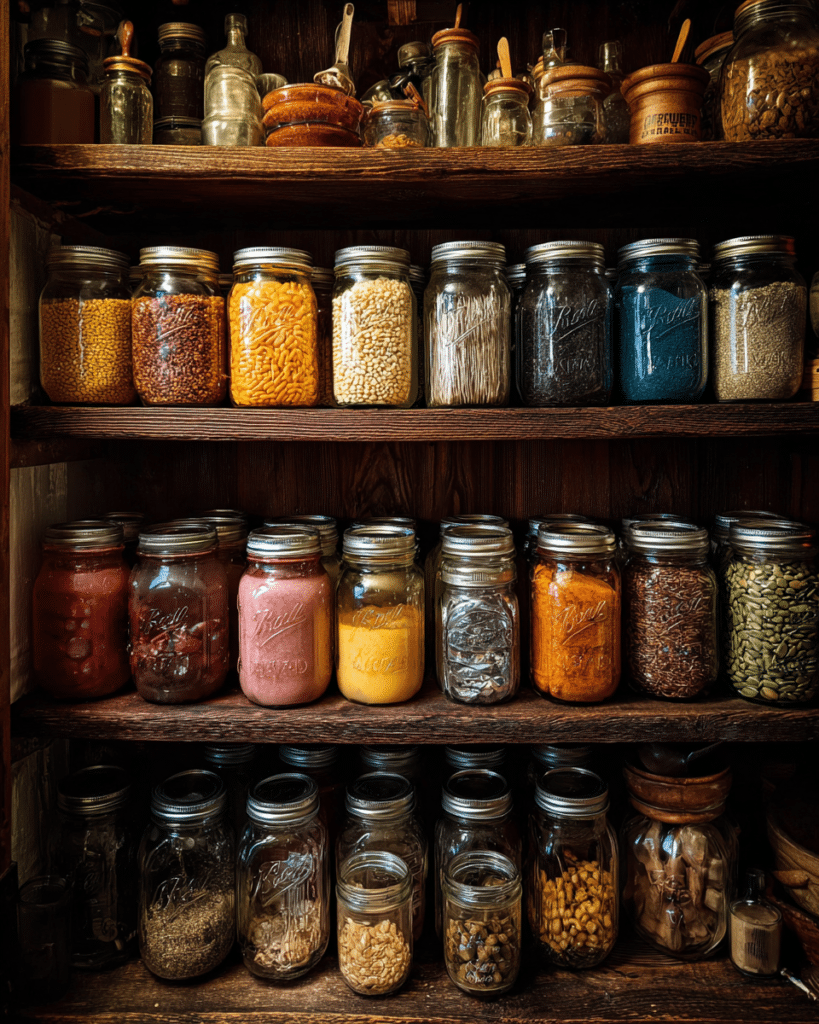
For the best results, use airtight glass jars, like Mason jars with fresh lids. Glass is non-porous and lets you see the contents clearly. If you plan to keep your snacks for more than a year, consider Mylar bags with oxygen absorbers. These bags block light and air completely. If you are unsure about which bags to buy, check our review of essential dehydrating tools to find the right gear. Vacuum sealing is another terrific option, as it sucks the air out, making it nearly impossible for mold to grow. Just remember, vacuum sealing does not fix under-dried fruit; it only seals the rot inside if you weren’t careful earlier.
The Dark, Cool Rule
You might love the look of colorful fruit jars lined up on a sunny windowsill, but the sun is an enemy to preservation. Light degrades nutrients, and heat causes condensation. Imagine this: the sun hits your jar, warming the air inside. That warm air pulls moisture from the fruit. When the temperature drops at night, that moisture condenses on the glass. This cycle creates water droplets, and suddenly, you have a nightmare of fuzzy green growth.
Always keep your stash in a cool, dark place. A pantry, a basement shelf, or a dedicated cupboard works best. The temperature should remain steady, ideally below 60°F (15°C). Temperature fluctuations are dangerous. If you live in a hot, humid climate, you might even consider freezing your dried goods for long-term safety. For more ideas on organizing your pantry, look at our guide on long-term food storage. By controlling the environment, you protect your hard work from spoiling.
Preparation Errors That Risk Spoilage
Sometimes, the problem starts before the fruit even hits the tray. How you slice, treat, and handle your produce sets the stage for success or failure. If you ignore these prep steps, you are practically inviting bacteria to the party.
Sugar and Preservation
Sugar acts as a natural preservative, but it can also trick you. Fruits high in sugar, like strawberries or peaches, hold onto water aggressively. When you dehydrate them, the sugar concentrates, making the fruit sticky. This stickiness can mask moisture. You might touch a slice and think it is just tacky from sugar, but it might actually be wet inside.
Using a pretreatment helps. Dipping fruit in a solution of citric acid, lemon juice, or even a light syrup helps maintain color and can create a barrier against bacteria. However, adding too much extra sugar can make drying take longer. You must be patient. Let high-sugar fruits dry until they are tough, not just chewy. If you are looking for sweet treat ideas that last, try our healthy fruit leather recipes. They are a great way to use up overripe fruit without risking spoilage, as the puree dries more evenly than thick slices.
The Cleanliness Factor
It sounds simple, but contamination is a huge reason why your dehydrated fruit molded. Mold spores are everywhere—in the air, on your counters, and on your hands. If you touch dried fruit with unwashed hands, you transfer oils and moisture back onto the piece. Those oils can go rancid or trap bacteria.
Sanitize everything. Wash your dehydrator trays with hot soapy water before every use. Sterilize your storage jars in boiling water or the dishwasher. When packing your fruit, use tongs or wear gloves. It feels like overkill, but it is vital. A single dirty jar can ruin a whole batch of dried vegetable chips or fruit slices. Treat your dehydrating process like a surgery; keep it clean, keep it dry, and you will win the battle against mold.
Spotting Mold on Dehydrated Fruit
You open a jar and see something white. Your heart sinks. But wait—is it actually mold? Understanding what you are looking at can save perfectly good food from the trash.
Is it Mold or Sugar Bloom?
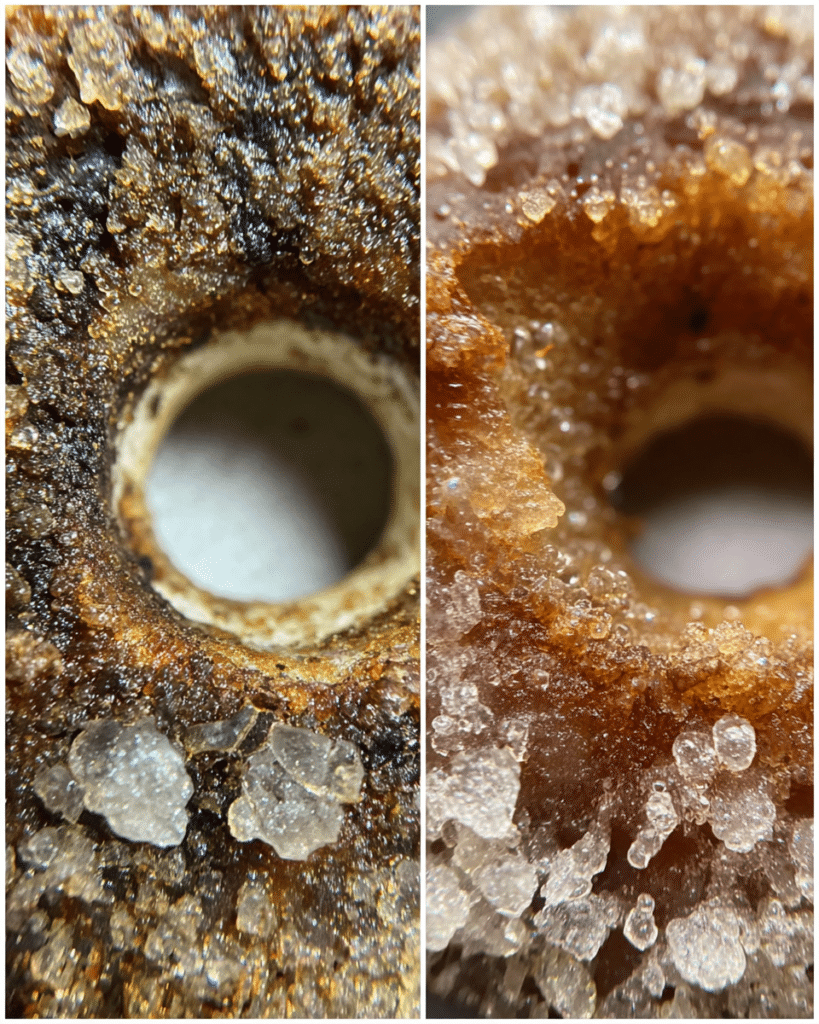
Not all white spots are evil. Sometimes, natural sugars migrate to the surface of the fruit and crystallize. This is called “sugar bloom.” It looks like a fine white dust or small crystals. The key difference is texture and smell. Sugar bloom feels gritty or hard, like fine sand. It does not smell bad; it just smells like fruit.
Mold, on the other hand, is fuzzy. It might be white, green, grey, or black. It grows in patches and often looks like tiny hairs standing up. Most importantly, mold smells musty, like a damp basement or old dirt. If you sniff the jar and recoil, trust your nose. Do not taste it. If you are unsure, look closely under a bright light. If you need a reference, compare it to the images in our guide to food spoilage. Knowing the difference saves you from panic and wasted food.
The “Never Mold Again” Checklist
To guarantee your snacks stay safe, follow a strict routine. Use this checklist every time you run your machine. It covers the critical points where moisture tries to sneak back in.
| Step | Action Required |
|---|---|
| Pre-Check | Slice consistently. Thin, even slices dry faster and safer. |
| Drying | Dry at 135°F+. Test only when cool. Texture must be leathery or crisp. |
| Conditioning | Jar it. Shake it daily for 7 days. If fog appears, dry again. |
| Storage | Airtight glass or Mylar. Add oxygen absorbers for long-term keeps. |
| Environment | Cool, dark, and dry. Avoid heat sources and windows. |
If you follow these rules, you will stop asking why your dehydrated fruit molded. You will instead be asking, “What should I dry next?” For more inspiration, check our list of easy beginner recipes.
FAQ Section
Can I wash mold off dried fruit and still eat it? No. Mold has roots that go deep into the food, invisible to the naked eye. If you see mold on one piece in a jar, the spores have likely spread to the rest. You must discard the entire contents of that container to be safe.
Why did my fruit mold in a vacuum-sealed bag? Vacuum sealing removes air, but it does not kill mold spores. If the fruit had too much moisture inside before you sealed it, anaerobic mold or bacteria (like botulism in low-acid foods) can still grow. The fruit must be 100% dry and conditioned before sealing.
How long does dehydrated fruit last? If dried, conditioned, and stored correctly in a cool, dark place, dehydrated fruit typically lasts 6 to 12 months. With oxygen absorbers and Mylar bags, it can last significantly longer, up to several years.
What is the best temperature for storing dried fruit? Ideal storage is around 60°F (15°C) or lower. Higher temperatures degrade quality faster and encourage any remaining moisture to cause spoilage.
Do I need oxygen absorbers for fruit? For short-term storage (under a few months) in a jar you open often, you do not need them. For long-term storage (over 6 months), oxygen absorbers are highly recommended to prevent oxidation and inhibit mold growth.
Conclusion
Dehydrating at home is a rewarding way to preserve the harvest, but seeing green fuzz on your snacks is a painful lesson. The mystery of why your dehydrated fruit molded almost always comes down to trapped moisture, skipped conditioning, or poor storage. It is not about luck; it is about process.
By drying fully, conditioning religiously, and storing in airtight containers away from light, you protect your food. Do not let one bad batch stop you. Take these tips, clean your jars, and start your next batch today. Your future self—snacking on crisp, sweet apples in the middle of winter—will be delighted.
check our Pinterest